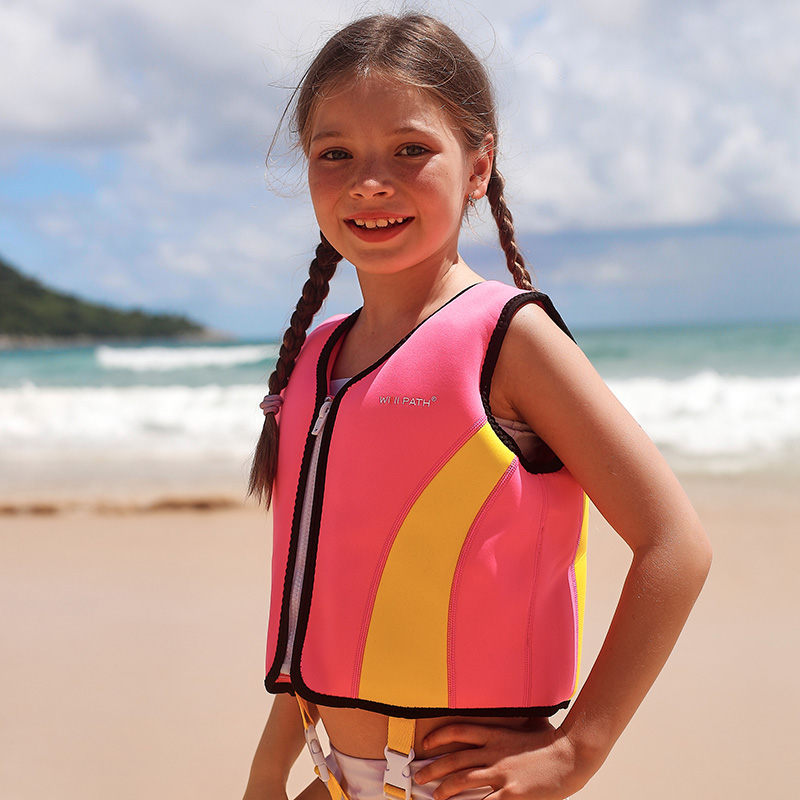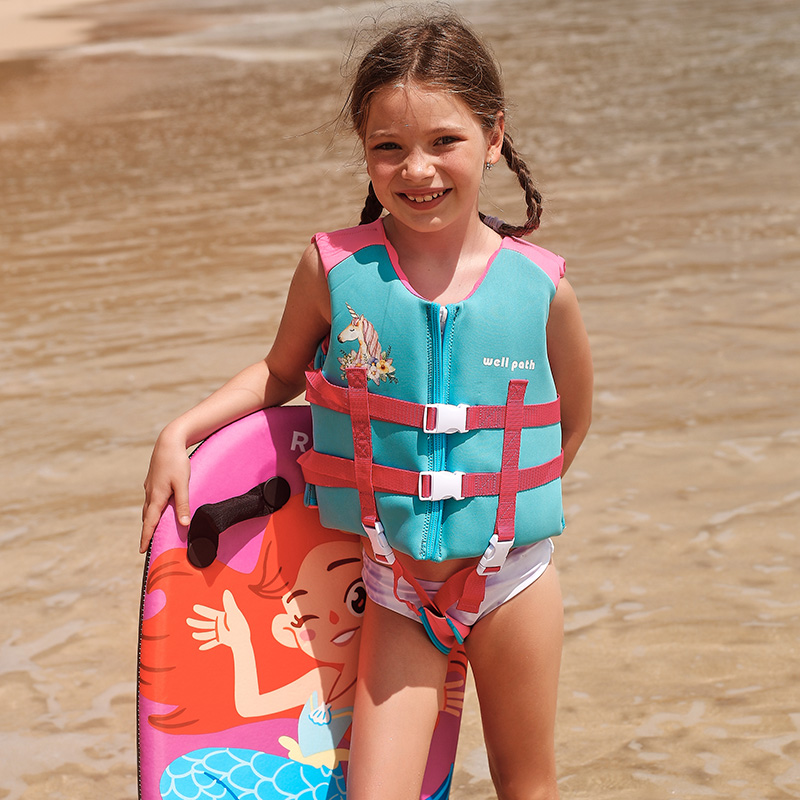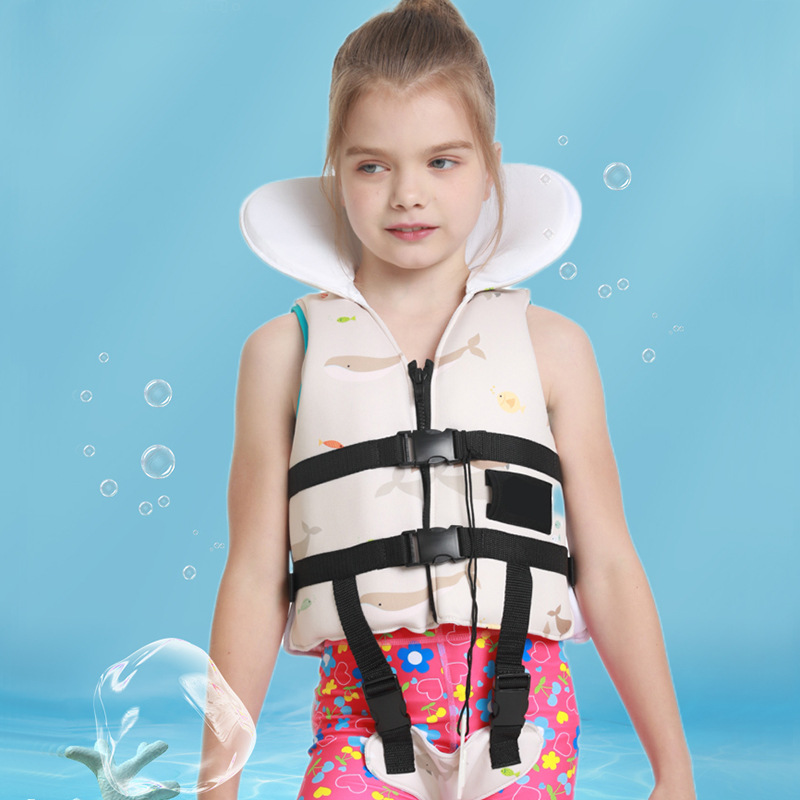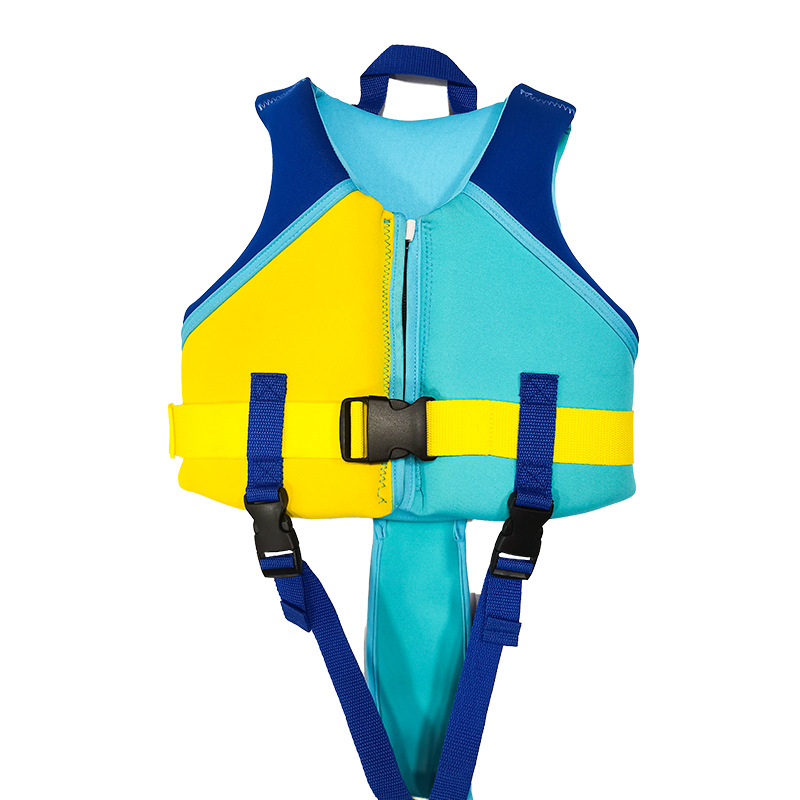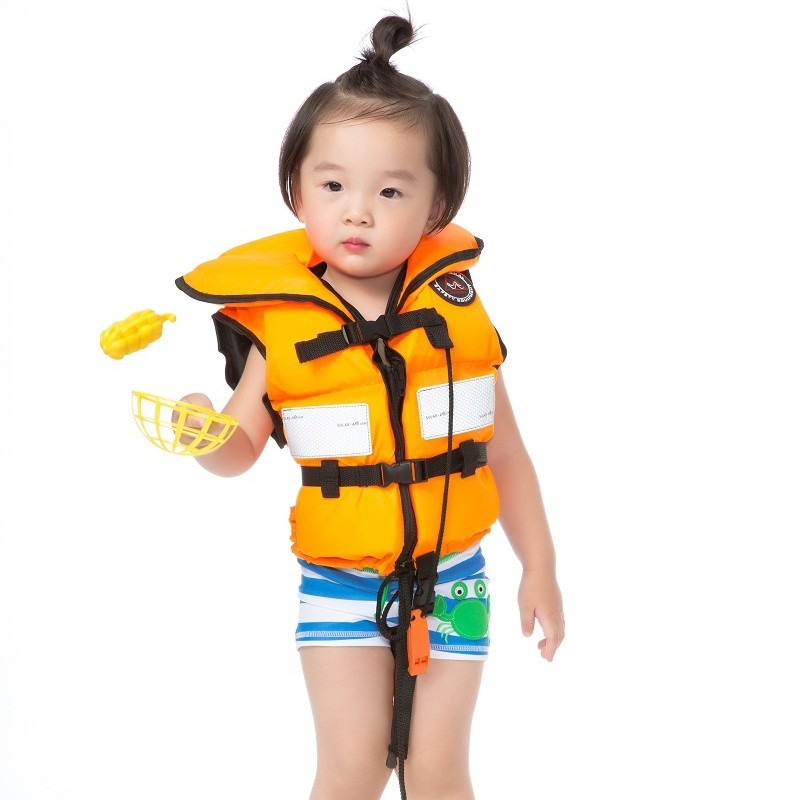
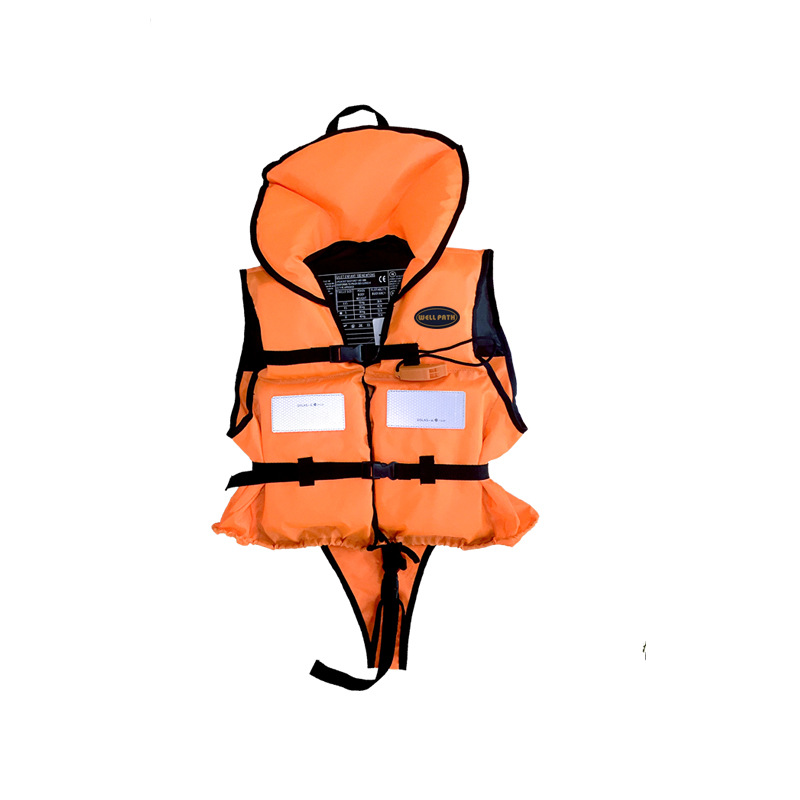
USCG (U.S. Coast Guard)-approved infant life jackets are personal flotation devices (PFDs) designed for babies weighing under 30 lbs (13.6 kg). They meet strict safety standards to ensure buoyancy, durability, and reliability in water emergencies.
Certification & Compliance
Approved under USCG Type II or Type III standards, with clear labeling showing approval number, weight range, and type.
Type II: Provides basic turning ability (keeps the wearer face-up in calm water).
Type III: Designed for active water sports (less bulky but requires user to tilt head back to stay face-up).
Critical Design Elements
Head Support Collar: Built-in foam or inflatable neck pillow to keep the infant’s head above water.
Secure Fit System: Adjustable shoulder straps, chest straps, and a crotch strap to prevent slippage.
High Visibility: Bright colors (e.g., orange, red) with reflective strips for easy spotting in water.
Rescue Handle: Reinforced grab handle on the back or shoulder for quick retrieval by parents/rescuers.
Materials & Construction
Outer Shell: Durable, tear-resistant nylon or polyester for outdoor use.
Inner Lining: Soft, hypoallergenic fabric to minimize skin irritation.
Flotation Material: Closed-cell foam or USCG-approved inflatable chambers for long-lasting buoyancy.
Water Activities
Swimming pools, lakes, or beaches to help infants learn to float and paddle.
Boating & Watercraft
Required by law in many states for children under 13 on boats, kayaks, or paddleboards.
Emergency Preparedness
Provides critical time for rescue if an infant falls into water unexpectedly.
Check Certification
Only purchase life jackets labeled “USCG Approved” with the correct type (II/III) and weight range (e.g., 8–30 lbs).
Avoid toy-like flotation devices without USCG certification.
Proper Fit & Adjustment
Select based on the infant’s chest circumference and weight.
Test fit: Lift the life jacket by the shoulders—the infant’s chin should not slip below the collar, and arms should move freely.
Trusted Brands
Choose reputable brands like Stohlquist, Stearns, O’Neill, or Mustang Survival, known for quality and safety.
Read reviews and avoid secondhand jackets (foam degrades over time).
Additional Features
Removable Flotation Pads: Some models allow reducing buoyancy as the infant gains swimming skills.
Thermal Insulation: For cold water, opt for neoprene-lined jackets (e.g., Stearns Infant Puddle Jumper).
Fun Designs: Bright patterns or characters may encourage acceptance, but ensure they don’t compromise safety.
Never Leave Unattended: A life jacket is not a substitute for adult supervision.
Regular Inspections: Check straps, buckles, and flotation material for wear before each use.
Legal Compliance: Follow state laws—some require life jackets for all passengers, including infants, on boats.
Practice Drills: Familiarize the infant with wearing the jacket in shallow water to reduce panic in emergencies.
 English