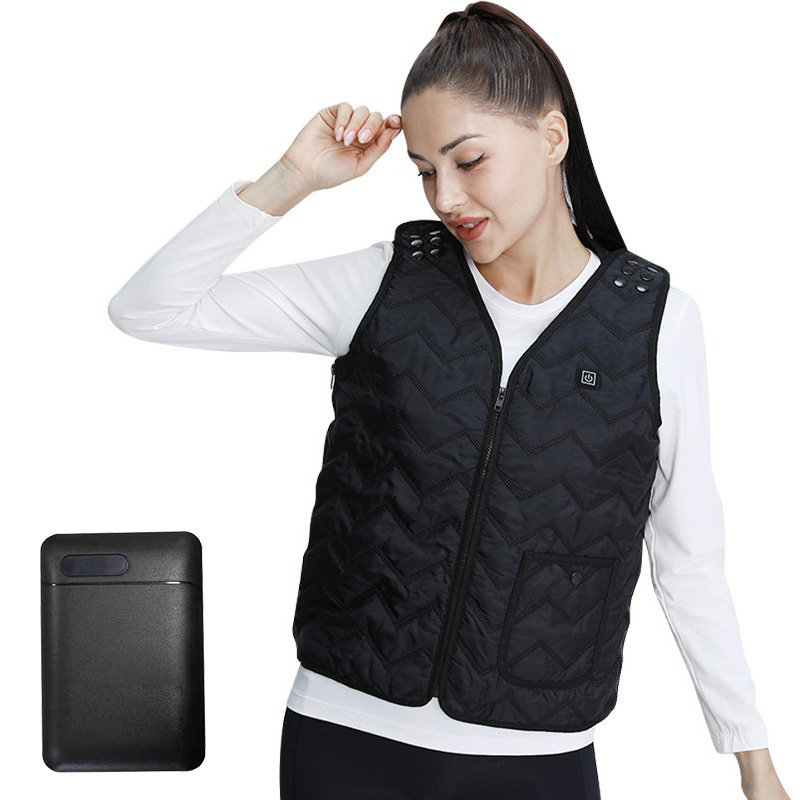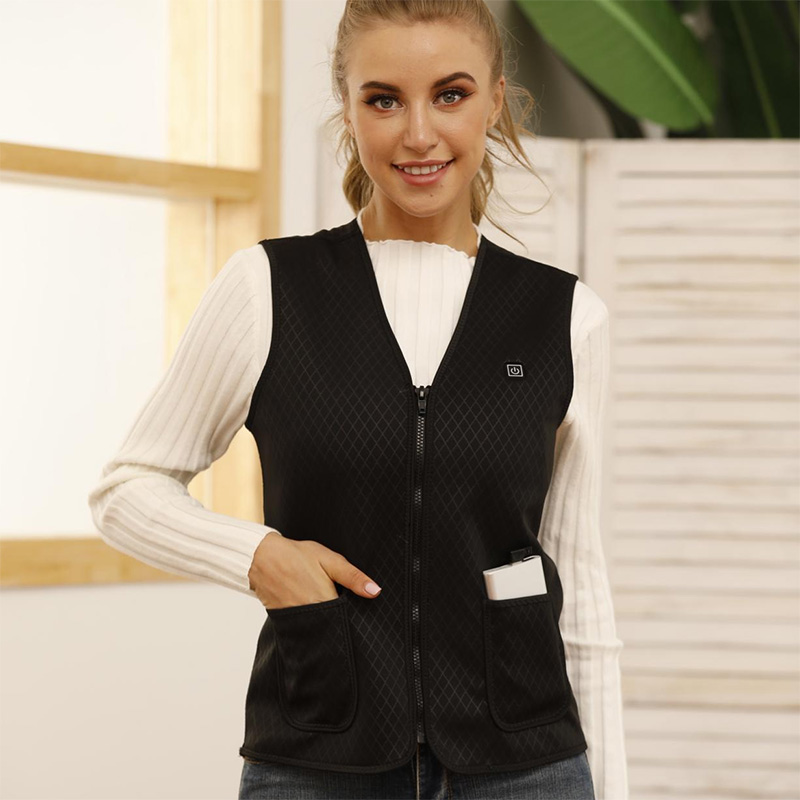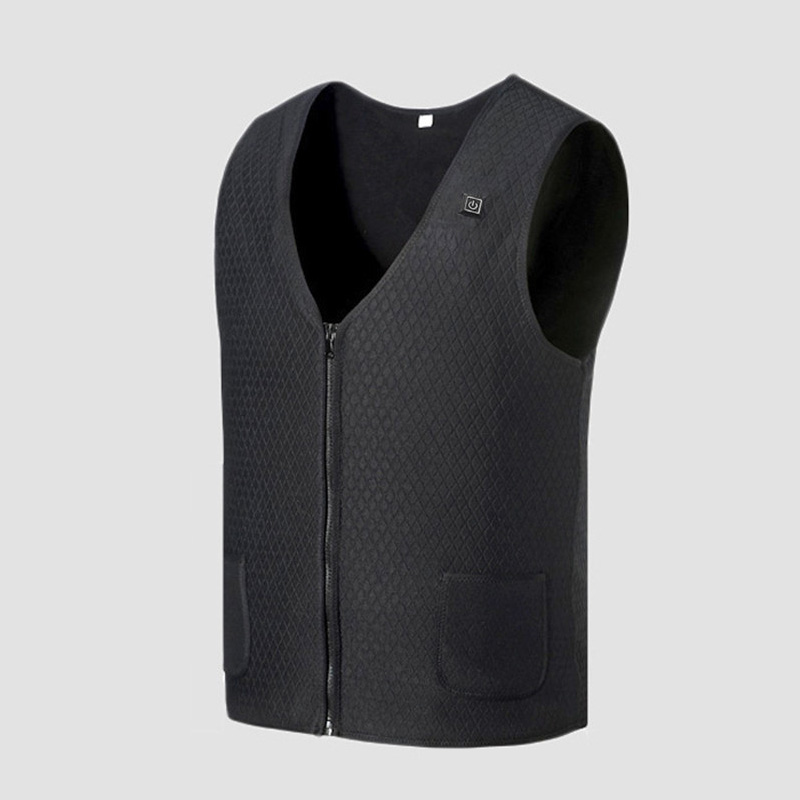
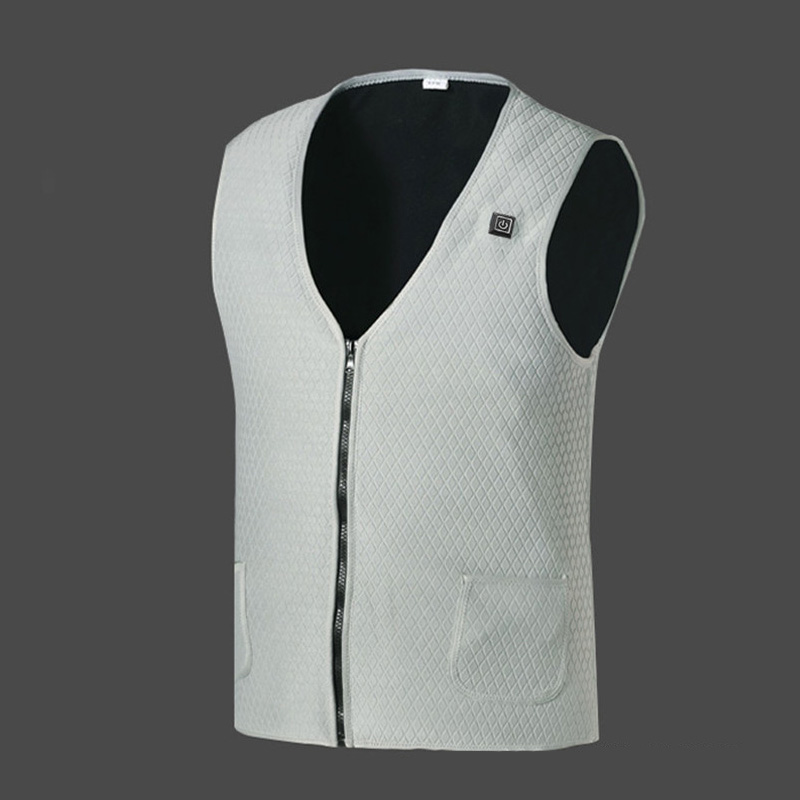
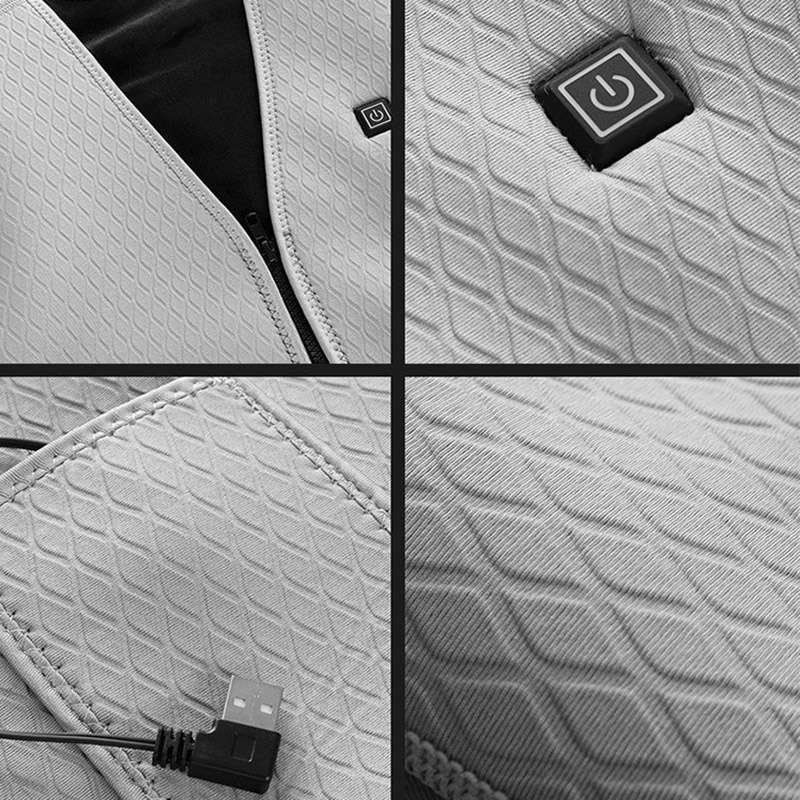
Electric heated vests generate warmth using flexible heating elements (e.g., carbon fiber, graphene, or metal films) embedded in the fabric. These elements are powered by a rechargeable power bank (typically 5V-12V) via USB, converting electrical energy into heat. Key features include:
Low-voltage design: Operates below 36V (human safety threshold) to minimize electric shock risks.
Rapid heating: Carbon-based materials heat up quickly (within seconds) and distribute warmth evenly.
Adjustable temperature: Most vests offer 3-5 heat settings (e.g., 40°C–60°C) for personalized comfort.
| Material | Pros | Cons |
|---|---|---|
| Carbon Fiber | Fast heating, flexible, durable | Higher cost |
| Graphene | Ultra-thin, even heat distribution | Expensive, less common |
| Metal Films | Affordable, stable heating | Prone to breakage if bent repeatedly |
Manual adjustment: Physical buttons or dials to switch heat levels.
Smart sensors: Auto-regulates temperature based on ambient conditions or detects when the vest is removed.
App connectivity: Bluetooth-enabled vests allow remote control via smartphones.
Power banks: Most vests use 10,000mAh–20,000mAh USB batteries (e.g., 10,000mAh lasts ~7 hours on low heat).
Replaceable batteries: Extend runtime by swapping depleted batteries.
USB-C compatibility: Charges faster and works with multiple devices.
Adjustable sizing: Side zippers or elastic panels accommodate different body types.
Lightweight: Weighs 400g–600g, reducing bulk during activities.
Weather resistance: Water-resistant outer layers (e.g., polyester/nylon) repel rain and wind.
Hidden pockets: Store power banks or small items securely.
Stylish cuts: Sleeveless or slim-fit designs pair well with jackets or sportswear.
Machine-washable: Heating elements are often detachable for easy cleaning.
Outdoor sports: Skiing, hiking, or cycling in cold weather.
Daily commuting: Stays warm during short walks or waits in chilly environments.
Occupational use: Delivery drivers, construction workers, or outdoor event staff.
Electrical faults: Poor wiring or insulation can cause shocks or fires.
Overheating: Malfunctioning thermostats may lead to burns or fabric damage.
Mechanical failure: Repeated bending can fracture metal heating wires, increasing短路 (short circuit) risks.
Lack of certification: Untested products may skip safety protocols like overcurrent protection.
China GB Standard: GB/T 4706.8-2024 (effective Aug 2026) sets limits on temperature, electrical safety, and labeling.
International marks: CE (EU), FCC (US), or RoHS compliance indicate rigorous testing.
Third-party testing: Look for SGS, BSCI, or TÜV reports for added assurance.
 English