
 English

Choosing the right material is one of the most important factors when selecting a Childrens Diving Suit, as it directly affects comfort, safety, and performance in the water. Parents often look for a kids Diving Suit that provides warmth, flexibility, and durability, especially for activities like swimming, snorkeling, and beginner scuba experiences. Understanding the materials used in a Diving Suit for kids can help ensure the best choice for different environments.
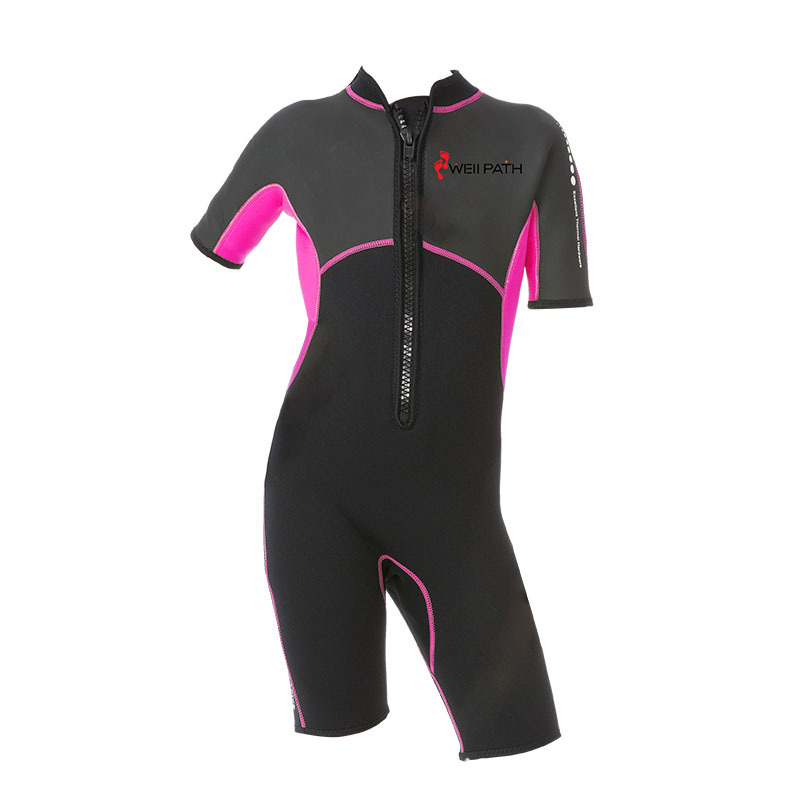
The most commonly used material in a kids wetsuit is neoprene. Neoprene is a synthetic rubber that offers excellent insulation by trapping a thin layer of water between the suit and the skin. This layer warms up with body heat, helping children stay comfortable in cooler water. A high-quality children wetsuit made from neoprene is also flexible, allowing kids to move freely without feeling restricted, which is essential for both safety and enjoyment.
Neoprene comes in different thickness levels, typically ranging from 2mm to 5mm for a kids diving suit. Thinner materials are suitable for warm water, while thicker neoprene provides better insulation in colder conditions. Choosing the right thickness ensures that the childrens diving suit keeps the child warm without causing overheating or discomfort.
In addition to neoprene, many modern diving suit for kids designs include materials like nylon or polyester linings. These fabrics are often laminated to the neoprene to improve durability and make the suit easier to put on and take off. A well-designed kids wetsuit with reinforced stitching and quality lining will last longer and withstand frequent use.
Comfort and safety are also influenced by the softness and stretch of the material. A premium children wetsuit typically features high-stretch neoprene, which adapts to the child’s body shape and reduces pressure points. This ensures that the kids diving suit fits snugly without being too tight, allowing better insulation and improved mobility.
Some childrens diving suit options also include additional features such as UV protection and quick-dry materials. These enhancements are especially useful for beach activities and extended outdoor use, providing extra protection beyond basic insulation.
In conclusion, neoprene remains the best material for a kids wetsuit due to its excellent insulation, flexibility, and durability. When choosing a diving suit for kids, it is important to consider thickness, lining, and stretch to ensure maximum comfort and performance. A well-made childrens diving suit will not only keep kids warm and safe but also enhance their overall water experience.