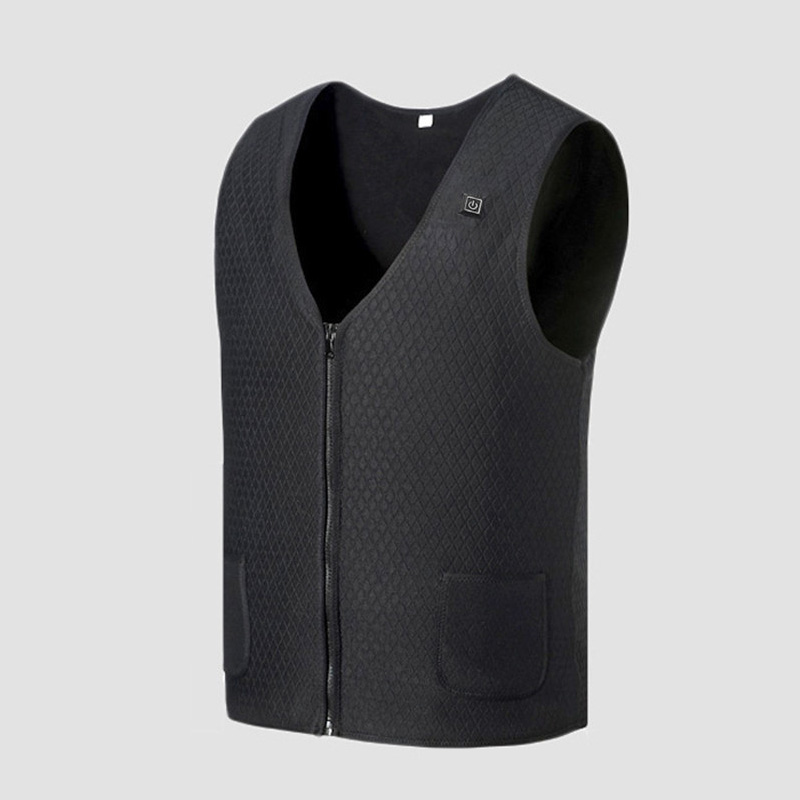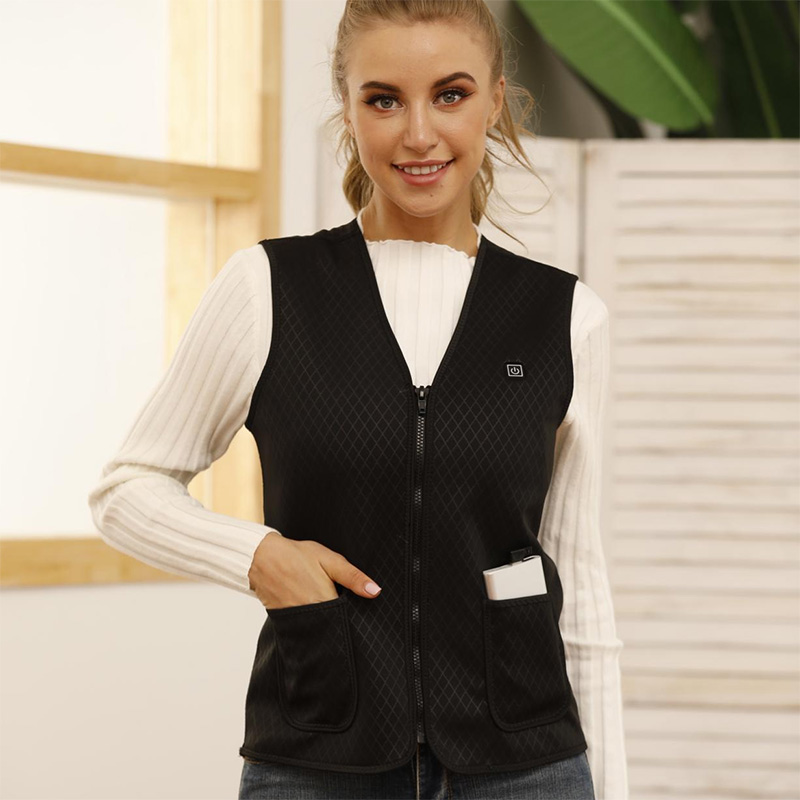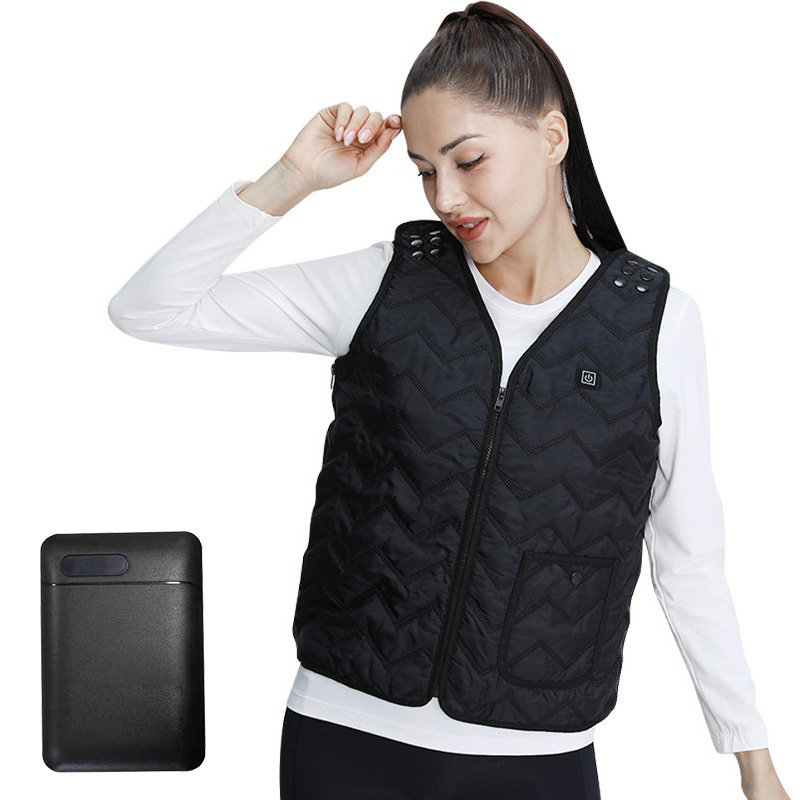
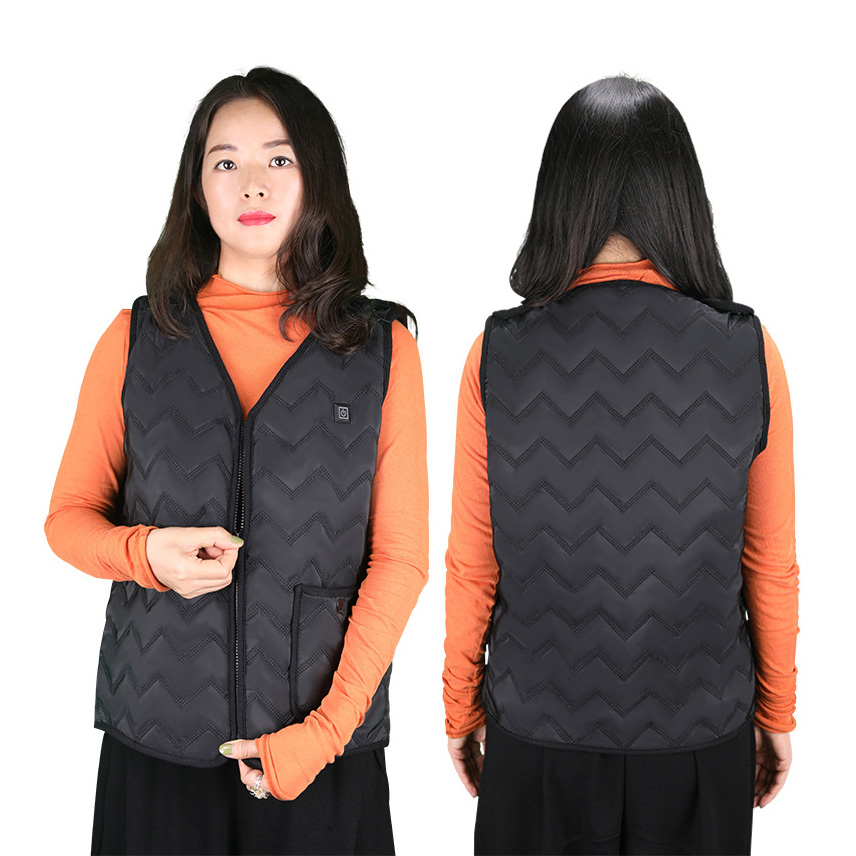
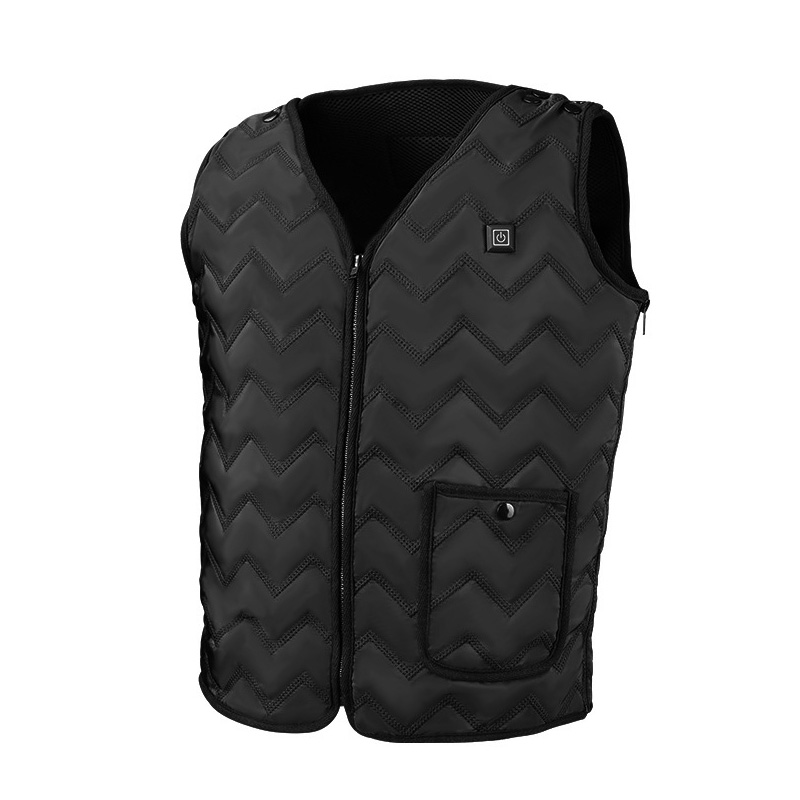
An Electric Heated Jacket is a functional garment designed to provide active warmth by integrating flexible heating elements powered by an external battery, typically a power bank. Here's a detailed overview:
Heating Elements:
Usually made of carbon fiber, graphene, or metal films (e.g., nickel-chromium alloy).
These materials convert electrical energy into heat quickly and distribute it evenly across key areas like the chest, back, and shoulders.
Carbon-based materials (e.g., graphene) heat up faster and are more flexible, while metal films offer stable heat output but are less durable against bending.
Power Supply:
Most jackets use a 5V–12V power bank (USB-rechargeable), ensuring safety (below the 36V human safety threshold).
Battery life varies: A 10,000mAh power bank can last 5–8 hours on low heat settings.
Temperature Control:
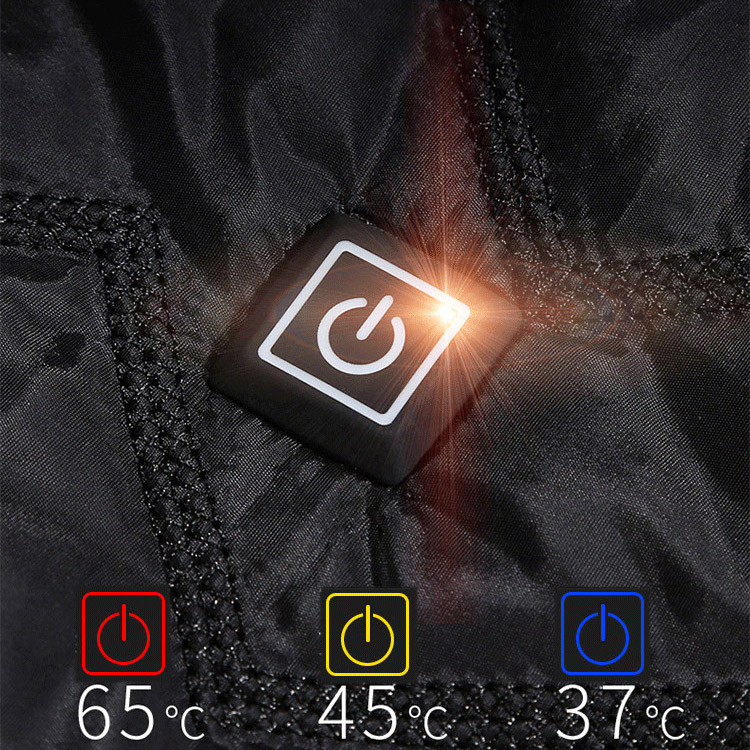
Multi-level settings (typically 3–5 levels, e.g., 40°C–65°C) allow users to adjust warmth based on activity or environment.
Advanced models feature smart sensors that auto-regulate temperature or shut off when the jacket is removed to prevent overheating.
Some jackets support app control via Bluetooth for remote adjustments.
Targeted Heating:
Focuses warmth on core body areas (chest, back, shoulders) to maintain comfort without bulk.
Ideal for outdoor activities like hiking, skiing, or motorcycling, where layering can restrict movement.
Lightweight & Flexible:
Unlike traditional bulky winter jackets, heated jackets are thin and allow freedom of movement.
Water-resistant outer layers protect against rain or snow.
Versatility:
Can be worn as a standalone jacket or layered under a heavier coat for extreme cold.
Some models include heated pockets or hoods for additional warmth.
Safety Design:
Low-voltage operation (≤12V) minimizes electric shock risks.
Overheat protection and short-circuit prevention are standard in certified products.
Detachable heating elements make the jacket machine-washable (remove the battery first).
Electrical Hazards:
Poor-quality jackets may have exposed wires or faulty insulation, risking electric shock or fire.
Solution: Choose jackets with GB/T 4706.8-2024 certification (China’s national standard for heated apparel) and CCC-certified power banks.
Overheating:
Malfunctioning thermostats or prolonged use on high settings can cause burns or fabric damage.
Solution: Opt for jackets with auto-shutoff features and avoid folding the jacket while heated.
Mechanical Damage:
Repeated bending or washing can fracture metal heating wires, leading to uneven heating or failure.
Solution: Follow care instructions (e.g., gentle machine wash, no dryer) and avoid rough handling.
Counterfeit Products:
Some jackets claim exaggerated heating performance (e.g., "3-second heat to 65°C") but fail to deliver.
Solution: Read reviews, check lab reports, and avoid suspiciously cheap options.
 English